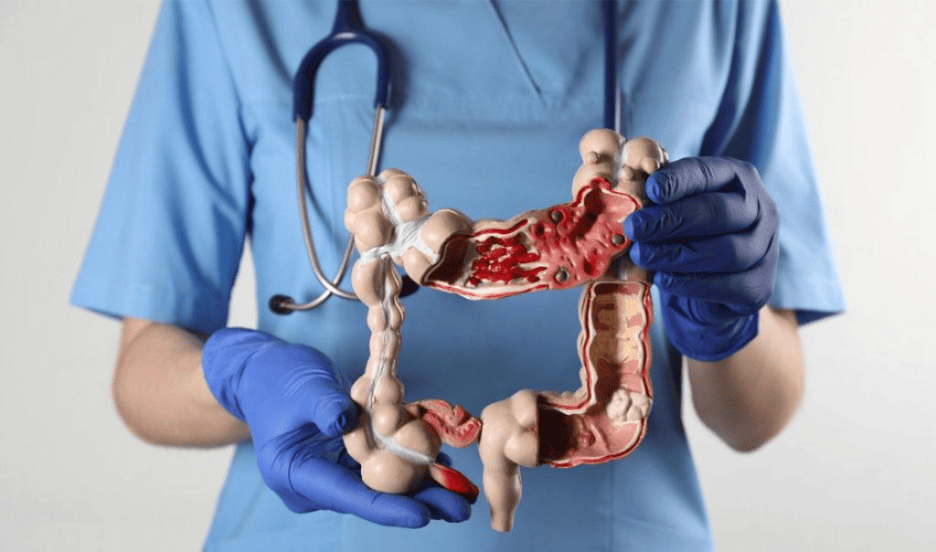
Hearing that a colonoscopy revealed cancerous tissue or a malignant polyp is jarring and can feel sudden and overwhelming, especially after a routine screening or diagnostic procedure. Yet a diagnosis marks the start of a clear, structured medical roadmap rather than an endpoint.
The pathology report confirms the cancer type and provides important information about the tumor’s microscopic features. Mismatch repair (MMR) or microsatellite instability (MSI) testing is an important part of colorectal cancer evaluation because it can affect treatment decisions and may identify patients who should be evaluated for Lynch syndrome. Additional molecular testing, including RAS and BRAF testing, becomes particularly important in advanced or metastatic colorectal cancer when targeted systemic therapies are being considered.
If you or a loved one recently received this news, reaching out for a comprehensive colorectal cancer consultation in West Hills can help turn uncertainty into a concrete next step. Our practice coordinates medical oncology with surgical and supportive care so patients are not left navigating results alone. Keep reading to learn more.
Disclaimer: This article is for general informational and educational purposes only and does not constitute medical advice, diagnosis, or treatment. Colorectal cancer care is highly individualized. Always consult your physician or a qualified healthcare provider for personalized guidance based on your pathology, staging, and overall health. The information here is grounded in established clinical principles (including NCCN frameworks) but is not a substitute for professional medical evaluation. Wellness Oncology & Hematology provides clinical care under the oversight of licensed medical oncologists; individual outcomes vary.
Step 1: Understanding Your Biopsy Pathology & Biomarker Testing
A biopsy establishes the diagnosis and provides tissue for pathological and, when appropriate, molecular evaluation. The pathology report identifies the cancer type and grade, while additional testing may evaluate biomarkers that help guide prognosis, hereditary-risk assessment, and treatment selection.
Pathology is the foundation of every subsequent decision. The report typically addresses three core elements. First is histology: the large majority of colorectal cancers are adenocarcinomas arising from glandular cells lining the colon or rectum; rarer subtypes exist and may alter prognosis or treatment considerations. Second is tumor grade, which describes differentiation; well-differentiated tumors generally behave less aggressively than poorly differentiated ones. Third, and increasingly decisive, are molecular biomarkers.
Microsatellite instability (MSI) and mismatch repair (MMR) testing determine whether the tumor’s DNA repair machinery is intact. MSI-H or dMMR status can make immunotherapy an important treatment option in certain colorectal cancer settings and can also influence treatment decisions in earlier-stage disease.
In advanced or metastatic colorectal cancer, testing for KRAS, NRAS, and BRAF mutations can help guide targeted treatment. RAS status is particularly important when determining whether anti-EGFR therapies such as cetuximab or panitumumab may be appropriate, while BRAF V600E can carry prognostic significance and influence targeted-treatment options.
Turnaround time for molecular testing varies by laboratory and the type of testing ordered. The oncology team reviews these results alongside the pathology, stage, and patient’s overall health before making treatment decisions that depend on tumor biology.
Patients should request a clear explanation of their pathology report from the ordering physician or a medical oncologist. Understanding these details can help patients ask informed questions and participate more confidently in discussions about the treatment plan.
Also Read: Symptoms & Treatment for Colon Cancer in Southern California
Step 2: Staging Scans and Baseline Workup
Staging imaging and blood tests are performed before surgery or systemic therapy to determine the full extent of disease, identify any distant spread, establish baseline tumor markers, and ensure treatment is appropriately sequenced and targeted to the individual patient’s situation.
Contrast-enhanced CT scans of the chest, abdomen, and pelvis form the backbone of staging for most patients. These scans evaluate the primary tumor’s relationship to surrounding structures, check regional lymph nodes, and look for metastases in common sites such as the liver and lungs. For rectal cancer, pelvic MRI is commonly used for local staging and treatment planning. Endorectal ultrasound may also be useful in selected cases, particularly for evaluating certain early rectal tumors.
A baseline carcinoembryonic antigen (CEA) blood test is also standard. While not diagnostic on its own, an elevated CEA provides a useful reference point for monitoring response to treatment and detecting potential recurrence later. Additional tests may include complete blood counts, liver and kidney function panels, and, in selected cases, PET-CT when conventional imaging leaves questions unanswered. Completing the necessary staging workup before treatment helps the multidisciplinary team determine the appropriate sequence of surgery, systemic therapy, radiation therapy, or other treatment. The exact timeline varies according to the diagnosis, symptoms, testing needs, and urgency of the clinical situation.
Step 3: Determining Your Treatment Sequence (Colon vs. Rectal Cancer)
Treatment sequencing differs between colon and rectal cancer and also depends heavily on stage. For many localized colon cancers, surgery is the first treatment, with chemotherapy considered afterward according to stage and risk features. Early rectal cancers may also be treated with surgery first. For many stage II and III rectal cancers, treatment often begins before surgery with chemotherapy, radiation-based therapy, or a combination delivered as part of a total neoadjuvant treatment strategy.
The anatomical location drives meaningful differences in sequencing:
| Parameter | Colon Cancer | Rectal Cancer |
|---|---|---|
| Anatomical Location | Proximal to the rectum | The final portion of the large intestine, ending at the anus |
| Initial Primary Modality | Surgical resection in most non-metastatic cases | Varies by stage; surgery may be first for early disease, while neoadjuvant therapy is common for many Stage II–III tumors |
| Neoadjuvant Role | Limited; reserved for select advanced or borderline cases | Common in locally advanced disease; may include chemotherapy, radiation-based therapy, or both depending on stage and risk features |
| Key Systemic Options | Adjuvant chemotherapy (e.g., FOLFOX, CAPOX) for Stage III and high-risk Stage II | Systemic therapy based on stage and tumor biology; immunotherapy may be considered for appropriate dMMR/MSI-H tumors |
| Surgical Focus | Oncologic resection with adequate lymph node harvest | Total mesorectal excision; emphasis on sphincter preservation when feasible |
These frameworks follow established guidelines and are refined by molecular results and patient factors such as age, comorbidities, and personal preferences. Medical oncologists play a central role in timing systemic therapy relative to surgery and in selecting regimens that balance efficacy with tolerability.
Step 4: Multidisciplinary Team & Integrative Support
Medical oncologists, colorectal surgeons, radiation oncologists, and integrative care specialists collaborate on a single coordinated care plan that addresses the tumor itself while supporting the patient’s overall resilience, side-effect management, and long-term recovery.
At Wellness Oncology & Hematology, the approach integrates advanced systemic treatments, chemotherapy, targeted biologics, and immunotherapy, with evidence-based supportive modalities. Nutrition guidance focused on gut health, strategies for managing neuropathy and fatigue, and attention to emotional well-being are woven into the treatment pathway rather than added as afterthoughts. This approach is designed to address symptoms, nutrition, bowel function, emotional well-being, and quality of life alongside cancer-directed therapy.
A treatment-planning consultation with the medical oncology team in Tarzana allows patients and families to review pathology, staging, and biomarker results together. Many patients find that having one coordinated team reduces fragmented appointments and conflicting recommendations.
Also Read: Wellness Oncology comes in First at American Cancer Society Relay for Life!
Moving Forward with Clarity and Support
Finding cancer during a colonoscopy is frightening, but modern colorectal oncology offers increasingly precise and personalized treatment pathways. Once the essential diagnostic steps are complete, the care team can recommend a treatment plan based on the cancer’s location, stage, biology, and the patient’s overall health and goals.
Wellness Oncology & Hematology specializes in guiding patients through every phase after a colonoscopy diagnosis, from interpreting results to sequencing therapy and supporting recovery. If you have questions before your first appointment, our team is here to provide guidance and help you understand what to expect. Schedule your oncology consultation at Wellness Oncology & Hematology in West Hills and Tarzana to take the first step.
Frequently Asked Questions
How quickly do I need to start treatment after cancer is found during a colonoscopy?
The appropriate timeline depends on the type and stage of cancer, symptoms, pathology findings, and additional testing that may be needed. In many cases, there is enough time to complete staging and multidisciplinary treatment planning before therapy begins. Some situations, such as significant bleeding, bowel obstruction, perforation, or other urgent complications, may require faster intervention. Your oncology and surgical teams can explain the appropriate timeline for your specific diagnosis.
What is the difference between stage 1, 2, 3, and 4 colon cancer?
Colon cancer stage reflects how deeply the tumor has grown and whether it has reached lymph nodes or distant organs. Stage I cancer has grown into the bowel wall but has not spread to regional lymph nodes or distant sites. Stage II has grown more deeply through the bowel wall or into nearby structures without regional lymph-node involvement. Stage III involves regional lymph nodes. Stage IV means the cancer has spread to distant organs or tissues, such as the liver or lungs. Exact staging is based on the TNM system and includes additional substages within these categories.
Do all colon cancer patients need chemotherapy after surgery?
No. Stage I colon cancer is generally treated with surgery alone, and many Stage II patients do not require chemotherapy. Adjuvant chemotherapy is commonly recommended for Stage III disease and may be considered for selected higher-risk Stage II cancers. Stage IV colon cancer requires an individualized treatment strategy that may include systemic therapy, targeted therapy, immunotherapy, surgery, or other local treatments depending on the location and extent of metastatic disease and the tumor’s molecular profile.
Why is biomarker testing (MSI/MMR) important for colon cancer?
MSI-H/dMMR status can predict a greater likelihood of benefit from immune checkpoint inhibitors in appropriate treatment settings. It can also provide prognostic information and may affect treatment recommendations in earlier-stage disease. Because dMMR can be associated with Lynch syndrome, results may also lead to additional hereditary cancer evaluation when appropriate.
How does rectal cancer treatment differ from colon cancer treatment in Tarzana?
Treatment for rectal cancer depends heavily on stage and tumor location. Early rectal cancers may be treated with surgery first, while many Stage II and III tumors are treated with chemotherapy, radiation-based therapy, or both before surgery. Some patients with lower-risk disease may follow different sequences, and selected dMMR/MSI-H rectal cancers may be candidates for immunotherapy.
How does Wellness Oncology & Hematology support patients following a colonoscopy cancer diagnosis?
Wellness Oncology & Hematology provides comprehensive medical oncology oversight, managing systemic therapies (chemotherapy, targeted drugs, immunotherapy) while integrating holistic support to manage side effects, preserve gut health, support nutrition, and guide patients through every phase of treatment and recovery. The team coordinates closely with surgical and radiation colleagues to deliver a unified plan.
This content is authored under clinical oversight principles aligned with NCCN colorectal cancer guidelines and focuses on patient decision-mapping, biomarker literacy, and integrative support to help readers move from diagnosis to informed action.