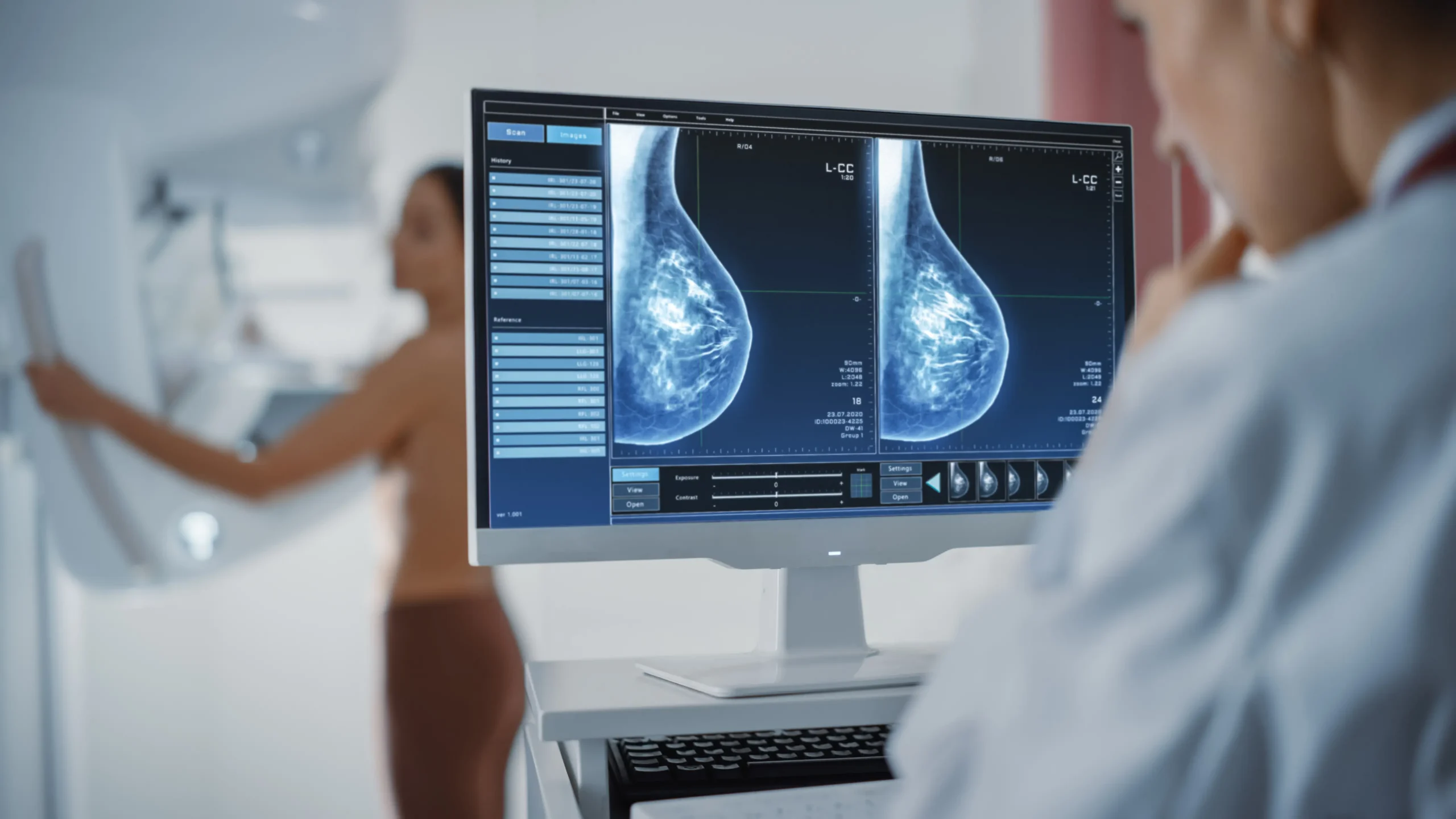
Breast cancer is one of the most common cancers among women, with an estimated 320,000 new cases of invasive breast cancer diagnosed in the United States each year. At Wellness Oncology & Hematology, our board-certified oncologists in West Hills and Tarzana, California, provide individualized breast cancer care with a compassionate, patient-centered approach. If you have symptoms of breast cancer or concerns about your risk, request an appointment at Wellness Oncology & Hematology today.
What is breast cancer?
Breast cancer develops when abnormal cells in the breast grow uncontrollably and form a malignant tumor. Most breast cancers begin in the ducts that carry milk to the nipple or in the lobules, the glands that produce milk.
What causes breast cancer?
Breast cancer forms when mutations in the genes that control cell growth cause cells to divide and multiply abnormally. These abnormal cells can form a tumor and, in some cases, spread to nearby lymph nodes or other parts of the body. While the exact cause of breast cancer in an individual is often unknown, factors such as age, family history, and certain inherited genetic changes can increase risk.
What are the symptoms of breast cancer?
The earliest stages of breast cancer may not produce any symptoms. As a tumor grows, the most common sign is a new lump you can see or feel in the breast. Other possible symptoms include:
- Breast pain
- Swelling
- Nipple discharge
- Dimpled or pitted skin on the breast
- Unexplained changes in the shape or size of the breast
You may also notice a lump or swelling under the arm near the lymph nodes. These symptoms do not always mean you have breast cancer, but because early detection is an important part of successful treatment, it is important to schedule a diagnostic evaluation as soon as possible.
How is breast cancer diagnosed?
Breast cancer diagnosis typically involves breast imaging, such as mammography, followed by a biopsy when an abnormal area needs further evaluation. Once cancer is confirmed, additional testing may be used to determine its type, biological characteristics, and stage. Our oncology team reviews these findings to develop an individualized treatment plan.
Breast awareness and early detection
Knowing how your breasts normally look and feel can help you recognize changes that should be evaluated. A new lump, nipple change, skin change, or other unusual finding should be reported to your healthcare provider. Breast awareness does not replace recommended mammogram screening, which remains an important tool for detecting breast cancer before symptoms develop.
Breast cancer treatment options at Wellness Oncology & Hematology
Your breast cancer treatment plan is based on the characteristics of the cancer as well as your overall health and treatment goals. Factors such as the cancer’s stage, hormone receptor status, and HER2 status can help determine which treatments may be appropriate. Depending on the diagnosis, care may include surgery, radiation therapy, chemotherapy, hormone therapy, targeted therapy, immunotherapy, or a combination of treatments.
Why choose Wellness Oncology & Hematology for breast cancer care
Our board-certified oncologists and hematologists provide comprehensive, concierge-style care across two San Fernando Valley locations. You receive personalized attention at every step, from your first diagnostic appointment through treatment and follow-up, from a team that takes the time to answer your questions and support your decisions.
Schedule a breast cancer consultation in Tarzana or West Hills
If you have a family history of breast cancer or have discovered a lump, do not delay an evaluation. Contact us today to schedule a consultation at Wellness Oncology & Hematology.
Breast Cancer Q & A
How common is breast cancer?
Breast cancer is one of the most frequently diagnosed cancers in women. The American Cancer Society estimates more than 300,000 new cases of invasive breast cancer in the United States each year. Recommended screening can help detect breast cancer before symptoms develop.
Does a breast lump always mean cancer?
No. Most breast lumps are not cancer and can be caused by benign conditions such as cysts or fibroadenomas. Still, any new lump or breast change should be evaluated promptly so your provider can determine the cause and recommend next steps.
At what age should I start getting mammograms?
For women at average risk, breast cancer screening generally begins in the 40s. The American Cancer Society gives women ages 40–44 the option to begin annual mammograms and recommends annual mammograms from ages 45–54. Women at higher risk may need earlier or additional screening, so the appropriate schedule should be based on individual risk factors.
Is breast cancer treatable?
Yes. Many breast cancers respond well to treatment, especially when found early. Treatment may combine surgery, radiation, chemotherapy, hormone therapy, or targeted medications, tailored to your specific diagnosis.
Does breast cancer run in families?
It can. A family history of breast cancer and certain inherited gene changes can increase your risk. If breast cancer runs in your family, talk with your provider about earlier or more frequent screening and whether genetic counseling is appropriate.
If you are looking for an expert oncologist to diagnose and treat breast cancer, call Wellness Oncology & Hematology or request an appointment today.
Request an Appointment