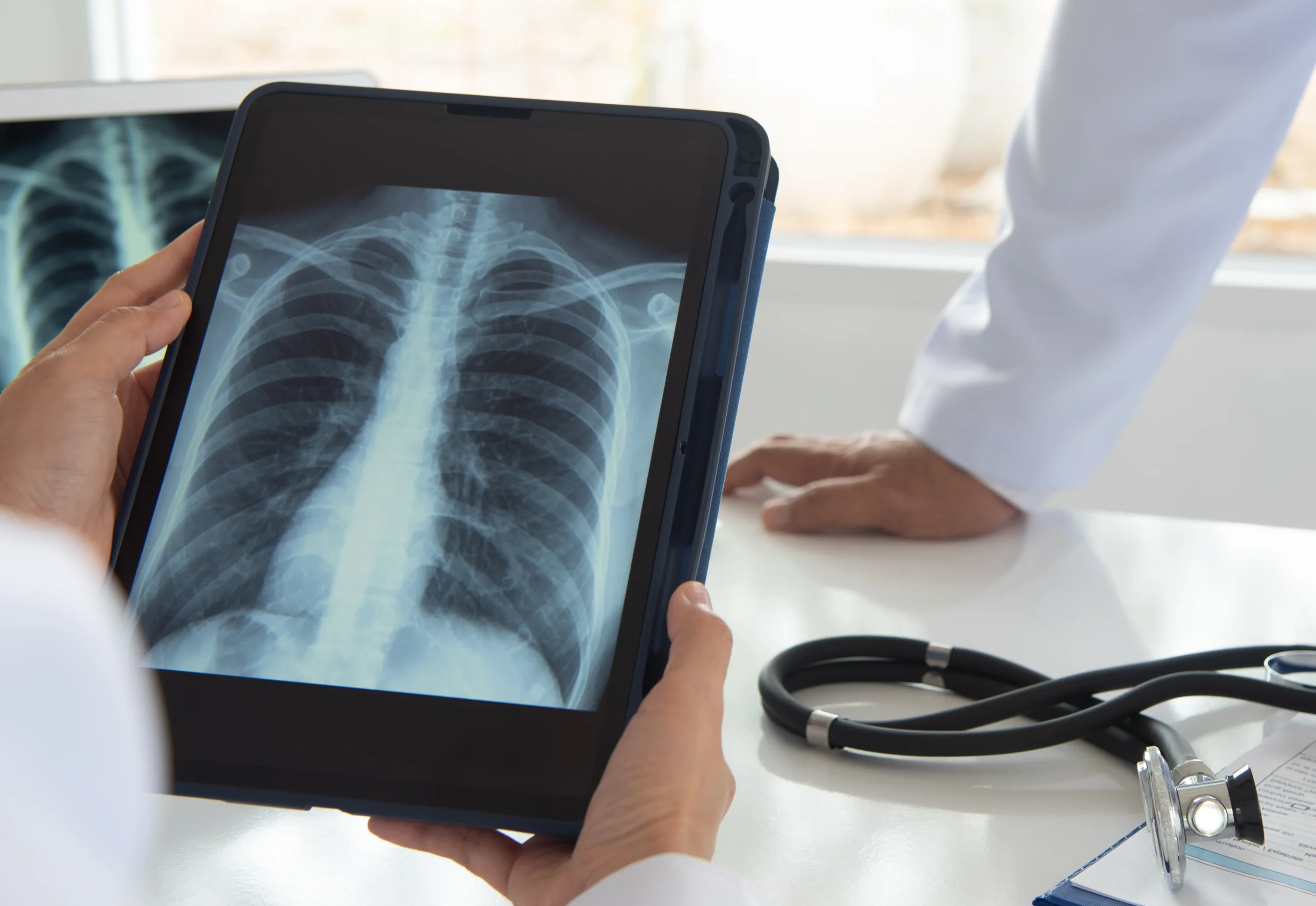
Lung cancer is the leading cause of cancer-related death in the United States, and treating it effectively takes the expertise of an experienced oncology team. At Wellness Oncology & Hematology, our board-certified oncologists in Tarzana and West Hills, California, provide individualized, evidence-based lung cancer care based on the type and stage of cancer, your overall health, and your treatment goals. If you have been diagnosed with lung cancer or are worried about your risk, call Wellness Oncology & Hematology or request an appointment today.
What is lung cancer?
Lung cancer is a disease in which abnormal cells in the lungs grow and multiply in an uncontrolled way. It is one of the most common and most serious cancers, and early detection plays an important role in treatment outcomes.
There are two main categories of lung cancer, and identifying the type guides your treatment plan.
Non-small cell vs. small cell lung cancer
Non-small cell lung cancer (NSCLC) is the most common form and includes several subtypes that are classified by how the cancer cells appear under a microscope. Small cell lung cancer is less common and tends to grow more quickly; it is most often linked to a heavy smoking history. Your oncologist confirms the specific type before recommending treatment.
What increases your risk of lung cancer?
Smoking is the single largest risk factor for lung cancer, but it is not the only one. Your risk also rises with exposure to secondhand smoke, radon, asbestos, or other environmental toxins, and it can be higher if you have a family history of the disease.
Because early lung cancer often causes no symptoms, some adults with a significant smoking history may be candidates for annual low-dose CT screening. Your healthcare provider can determine whether you meet current screening criteria based on your age and smoking history.
What are the symptoms of lung cancer?
In its earliest stages, lung cancer may not cause any noticeable symptoms. As the disease progresses, warning signs can include:
- A persistent cough that does not go away
- Chest pain
- Shortness of breath
- Hoarseness
- Coughing up blood, even in small amounts
These symptoms can also be caused by conditions other than cancer. Still, persistent or unexplained respiratory symptoms should be evaluated so the underlying cause can be identified.
How is lung cancer diagnosed?
Evaluating suspected lung cancer often begins with imaging such as a chest X-ray or CT scan. If imaging identifies a suspicious lung nodule or mass, additional testing may be needed. Depending on its location, this can include bronchoscopy, needle biopsy, or another procedure to obtain cells or tissue for examination.
If imaging suggests cancer, a biopsy is often the next step. During a biopsy, your doctor removes a small sample of lung tissue so it can be examined for abnormal or cancerous cells. Confirming the diagnosis and determining the stage of the cancer helps your oncologist develop a treatment plan based on the specific characteristics of your disease.
Lung cancer treatment options at Wellness Oncology & Hematology
Our oncology team develops an individualized treatment plan based on the type and stage of lung cancer, molecular features of the tumor, your overall health, and your treatment goals. Depending on the diagnosis, treatment may be intended to eliminate the cancer, reduce the risk of recurrence, control its growth, relieve symptoms, or a combination of these goals.
For some non-small cell lung cancers, biomarker testing may be used to look for specific gene changes or proteins that can help guide treatment. These results can help your oncologist determine whether targeted therapy, immunotherapy, or another treatment approach may be appropriate.
Whether surgery is appropriate depends on the cancer’s type, stage, and location, as well as the patient’s lung function and overall health. When surgery is part of the treatment plan, our oncology team can coordinate care with an experienced thoracic surgeon. Our team also coordinates with lung specialists when needed to support breathing and other aspects of your care. Throughout treatment, we explain every option in clear terms so you can make informed decisions about your care.
Why choose Wellness Oncology & Hematology for lung cancer care
Our practice brings together board-certified oncologists and hematologists who deliver concierge-style, patient-centered care across two convenient San Fernando Valley locations. From your first diagnostic visit through every stage of treatment, you work with a team that takes the time to understand your goals and tailor care to your needs.
Schedule a lung cancer consultation in Tarzana or West Hills
If you have been diagnosed with lung cancer, have an abnormal imaging result, or need an oncology evaluation, call Wellness Oncology & Hematology or request an appointment at our Tarzana or West Hills location.
Lung Cancer Q & A
Is lung cancer curable?
Many lung cancers can be treated successfully, especially when found early. Treatment aims to remove or control the cancer and may combine surgery, chemotherapy, radiation, targeted therapy, or immunotherapy. Your oncologist can explain what outcomes are realistic based on your type and stage of cancer.
Can you get lung cancer if you never smoked?
Yes. While smoking is the biggest risk factor, people who have never smoked can still develop lung cancer. Other contributors include secondhand smoke, radon, asbestos, air pollution, and family history. Anyone with persistent lung symptoms should be evaluated, regardless of smoking history.
What is the survival rate for lung cancer?
Survival varies widely depending on the type of lung cancer and the stage at diagnosis. Cancer found and treated early generally has better outcomes than cancer found at a later stage, which is why prompt evaluation and, when appropriate, screening are so important.
How long does lung cancer treatment take?
There is no single timeline. Treatment length depends on the type and stage of cancer and the therapies used, and it can range from a few weeks to several months or longer. Your oncologist will outline your expected schedule at the start of your care.
When should I see an oncologist for lung cancer?
See an oncologist if you have been diagnosed with lung cancer or need oncology evaluation after an abnormal imaging result. Persistent symptoms such as a lasting cough, chest pain, shortness of breath, or coughing up blood should also be evaluated by a healthcare provider. If you have a significant smoking history, ask whether you meet current criteria for low-dose CT lung cancer screening.
If you are looking for an expert oncologist to diagnose and treat lung cancer, call Wellness Oncology & Hematology or request an appointment today.
Request an Appointment