Cancer Treatment & Oncology: Personalized Cancer Care From Diagnosis Through Recovery
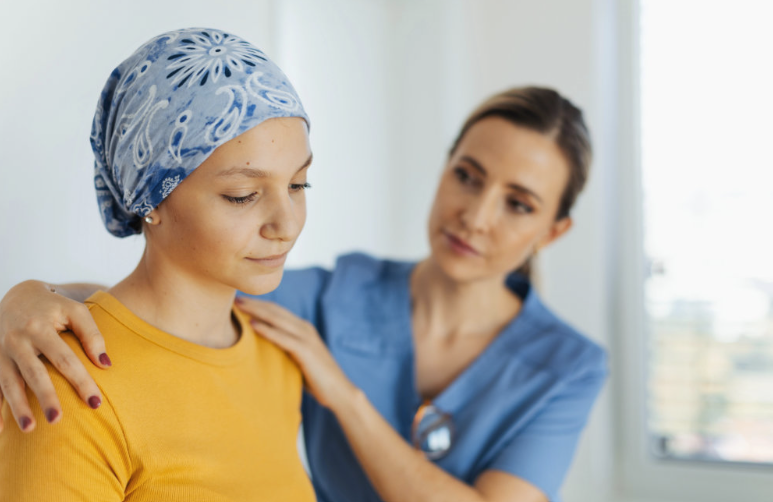
Receiving a cancer diagnosis typically arrives like a sudden storm, bringing fear, uncertainty, and countless questions for patients and their loved ones. At Wellness Oncology & Hematology, we recognize how disorienting this moment feels. Our compassionate team of cancer specialists is here to guide you through the complete cancer treatment journey with expertise, empathy, and clear communication. We focus on supporting newly diagnosed patients and families by explaining what happens next and empowering informed decisions.
This is precisely why personalized treatment matters so much in modern oncology. Rather than applying standard protocols without consideration, experienced cancer doctors assess each detail to craft a plan that aligns with your specific situation. Having a skilled oncology team provides reassurance through coordinated care, honest answers, and consistent support.
At Wellness Oncology & Hematology, our experts in medical oncology and hematology oncology blend cutting-edge therapies with a deeply human approach. This combination allows patients to receive advanced treatment alongside compassionate, personalized care. Keep reading to learn more about our personalized approach to cancer care from diagnosis through recovery.
What Does an Oncologist Do?
An oncologist is a physician with advanced training in all aspects of cancer management. Their responsibilities begin with accurate diagnosis. This includes carefully reviewing pathology results from biopsies to confirm the presence and type of cancer. They order and interpret various imaging studies such as CT scans, MRIs, PET scans, or bone scans to determine the extent of disease. Additional testing, including blood work and genetic or biomarker analyses, helps complete the picture.
Once diagnosis is clear, the oncologist develops a comprehensive treatment plan tailored to your needs. During active treatment, they monitor progress closely through regular appointments and tests.
Side effect management is a major focus to address issues like nausea, fatigue, or changes in blood counts promptly so you can continue therapy as comfortably as possible. Long-term follow-up care ensures ongoing surveillance for recurrence while supporting overall health.
Medical oncologists serve as central coordinators by collaborating with surgical oncologists who specialize in removing tumors, radiation oncologists who design radiation treatment fields, primary care doctors who oversee general wellness, and other specialists such as pulmonologists or gastroenterologists depending on cancer type. This multidisciplinary teamwork ensures all aspects of your cancer care work together seamlessly. For example, after a surgeon removes a tumor, your medical oncologist might recommend systemic treatments like immunotherapy or targeted therapy to address any remaining microscopic cells. The result is integrated, efficient care that minimizes gaps and maximizes your understanding at every stage.
When Should You See an Oncologist?
Key situations include receiving a new cancer diagnosis from a biopsy or other test. You may also be referred after imaging studies show suspicious masses, after surgery uncovers cancer unexpectedly, or when blood tests reveal elevated tumor markers. Blood disorders, abnormal complete blood counts, or conditions falling under hematology oncology warrant evaluation. Cancer recurrence after previous treatment or simply desiring a second opinion on diagnosis or proposed plan are also excellent reasons to schedule promptly.
Early consultation with an oncologist offers several advantages. It provides time to fully understand your diagnosis, explore all available cancer treatment options, and ask questions before treatment decisions become urgent.
Many patients report feeling more in control after their first visit because uncertainties are replaced with a structured path forward. Delaying evaluation can sometimes limit options, so reaching out soon after concerning results helps ensure timely, personalized care.
How Cancer Treatment Is Personalized
Treatment decisions are influenced by numerous factors. These include the precise cancer type and its stage at diagnosis, the tumor’s location and size, results from biomarker testing that identifies specific proteins or genetic changes, and comprehensive genetic testing that may reveal actionable mutations. Your overall health status, age, any co-existing medical conditions, previous treatments received, and personal treatment goals also weigh heavily in recommendations.
Consider two patients diagnosed with the same stage of lung cancer. One might have a tumor with a specific mutation that responds beautifully to targeted therapy, allowing a less intensive approach. Another patient without that mutation might benefit more from immunotherapy or a combination regimen. Personal factors matter too; one individual may prioritize maintaining high energy for family responsibilities while another focuses on minimizing hospital visits.
Your cancer specialist discusses these elements openly to make sure the chosen plan respects both medical evidence and your life priorities. This level of personalization has dramatically improved outcomes and quality of life for countless patients in recent years.
Cancer Treatment Options
Modern cancer care utilizes a growing array of sophisticated therapies. Your oncology team carefully selects and sequences treatments based on the latest evidence and your unique profile. Here is a deeper look at major categories.
Chemotherapy
Chemotherapy employs medications designed to interfere with cancer cells’ ability to grow and divide. It remains a cornerstone for many cancers but is now often used more strategically, sometimes before surgery to shrink tumors (neoadjuvant), after surgery to reduce recurrence risk (adjuvant), or as primary treatment for advanced disease.
Patients deserve honest information about what chemotherapy involves in their specific case. Cycles typically alternate treatment days with recovery periods. Supportive medications help control common side effects. Advances in supportive medications and treatment protocols have helped many patients better manage chemotherapy side effects.
Immunotherapy
Immunotherapy represents one of the most exciting advances in oncology. It works by enhancing or restoring the immune system’s natural ability to detect and eliminate cancer cells. Certain cancers, including some types of lung cancer, melanoma, kidney cancer, and bladder cancer, respond particularly well. However, success depends on specific characteristics of the tumor, which is why testing is essential before starting.
Not every patient qualifies for immunotherapy as a first-line option, but when appropriate it can lead to durable responses that last long after treatment ends. Side effects differ from traditional chemotherapy and often involve immune-related reactions that require prompt attention. Your cancer doctor will explain whether this approach fits your situation.
Targeted Therapy
Targeted therapy embodies precision medicine. These drugs zero in on specific molecular targets or genetic mutations present in cancer cells while sparing many healthy cells. Biomarker testing on tumor tissue or blood identifies patients likely to benefit. Targeted agents can produce meaningful responses in appropriately selected patients.
Examples include drugs that block EGFR mutations in lung cancer or HER2 in breast cancer. As research identifies more targets, the number of patients who can benefit continues to grow. This approach frequently allows people to maintain daily routines better than broader treatments.
Hormone Therapy
Hormone therapy, sometimes called endocrine therapy, is highly effective against cancers fueled by hormones, particularly many breast cancers and prostate cancers. It works by lowering hormone levels or blocking their effects on cancer cells. Treatment may last for several years to prevent recurrence.
Regular monitoring during hormone therapy includes blood tests and discussions about potential side effects such as hot flashes, bone density changes, or fatigue. Lifestyle adjustments and supportive medications can help manage these effectively. For prostate cancer patients, it may be combined with other modalities for advanced disease.
Infusion Therapy
Many systemic therapies like chemotherapy, immunotherapy, and targeted agents are administered via infusion therapy. At a dedicated cancer treatment center like ours, infusion appointments are designed for comfort and safety. Trained nurses monitor vital signs, manage any immediate reactions, and provide education throughout.
Patients often appreciate the familiar environment and consistent care team. Infusions vary in length from thirty minutes to several hours depending on the regimen. Our staff coordinates scheduling to fit around your life as much as possible. Before each infusion, your care team reviews laboratory results, assesses how you’re feeling, and confirms that treatment can safely proceed as planned.
What the Cancer Treatment Journey Can Look Like
Understanding the typical sequence of events helps many patients and families feel less overwhelmed. While your personal cancer treatment journey will have unique elements, the following outline describes common phases:
It starts with the initial diagnosis confirmation, often through biopsy results shared by your referring physician. Additional testing follows to gather complete staging information—more imaging, laboratory studies, and molecular profiling. Treatment planning meetings then bring together insights from the entire care team and you.
Beginning treatment might involve surgery, starting systemic therapy, or radiation, depending on recommendations. Close monitoring during active treatment includes regular office visits, blood work, and periodic scans to assess response. If the cancer responds well, you may continue the original plan. If adjustments are needed due to side effects or changing disease status, your oncologist will discuss alternatives promptly.
After completing active treatment, long-term follow-up begins with more frequent visits that gradually become less intensive. Survivorship care shifts focus toward maintaining health, screening for other issues, and addressing any lingering effects of treatment. Throughout this journey, open communication with your oncology team helps address concerns as they arise and keeps the process feeling manageable.
Types of Cancer We Treat
Lung Cancer
Lung cancer symptoms can be subtle at first, with persistent cough, shortness of breath with minimal exertion, chest pain, hoarseness, or unexplained weight loss. Risk factors include smoking history but also affect never-smokers. Diagnosis requires imaging followed by tissue biopsy.
Treatment overviews have changed dramatically. Early-stage disease may be cured with surgery or radiation. Advanced lung cancer increasingly benefits from immunotherapy and targeted therapy when biomarkers like PD-L1 or driver mutations are present. Personalized treatment considers performance status, comorbidities, and patient preferences. Supportive care addresses breathing comfort, nutrition, and fatigue. Our team stays current with rapidly evolving guidelines.
Learn more about our specialized Lung Cancer Treatment at Wellness Oncology & Hematology
Colon Cancer
Colon and rectal cancers are among the most preventable through regular screening colonoscopy starting at appropriate ages. Warning signs include blood in stool, persistent diarrhea or constipation, abdominal cramps, or fatigue from anemia. Early detection dramatically improves prognosis.
Diagnosis involves colonoscopy with biopsy and staging scans. Treatment overview for localized disease centers on surgery, often followed by adjuvant chemotherapy if risk of recurrence is higher. Metastatic cases may incorporate targeted therapies against VEGF or EGFR pathways. Our cancer specialists emphasize multidisciplinary planning and patient education about ostomy care when relevant. Long-term surveillance is crucial.
Learn more about our Colorectal (Colon) Cancer Treatment
Breast Cancer
Breast cancer includes ductal carcinoma in situ, invasive ductal and lobular carcinomas, inflammatory breast cancer, and molecular subtypes like triple-negative or HER2-enriched. Diagnosis pathways typically start with screening mammograms, diagnostic imaging, and biopsy.
Treatment options are highly subtype-specific. Surgery may be lumpectomy plus radiation or mastectomy. Systemic therapies include chemotherapy for higher-risk cases, hormone therapy for ER-positive disease, and targeted drugs like trastuzumab for HER2-positive tumors. Long-term care involves bone health monitoring, cardiac follow-up for certain drugs, and psychosocial support. Survivorship focuses on recurrence monitoring and quality of life.
Learn more about Breast Cancer Treatment at Wellness Oncology & Hematology
Prostate Cancer
Prostate cancer is frequently diagnosed following elevated PSA blood tests or abnormal digital rectal exams. Many men have slow-growing cancers suitable for active surveillance, aka regular monitoring without immediate intervention.
For cases requiring treatment, options include surgery (prostatectomy), various forms of radiation, and hormone therapy (androgen deprivation). Advanced or metastatic prostate cancer benefits from newer agents including PARP inhibitors for certain genetic profiles and radioligand therapies. Our approach prioritizes preserving urinary and sexual function when possible while achieving cancer control. Shared decision-making is central.
Learn more about our Prostate Cancer Treatment
Multiple Myeloma & MGUS
MGUS is a premalignant condition detected through blood tests showing abnormal proteins (M-protein) without organ damage. Most people with MGUS remain stable and need only periodic monitoring by a hematology/oncology specialist.
Multiple myeloma, by contrast, involves symptomatic disease with bone lesions, anemia, kidney problems, or high calcium levels. Modern treatment includes proteasome inhibitors, immunomodulatory drugs, monoclonal antibodies, and sometimes autologous stem cell transplant for eligible patients. Long-term hematology care focuses on controlling the disease, managing bone health, preventing infections, and maintaining quality of life. Our expertise helps patients navigate these blood cancers effectively.
Learn more about Multiple Myeloma and MGUS Treatment at Wellness Oncology & Hematology
Other Cancers
At Wellness Oncology & Hematology, we also specialize in treating the following cancers:
What to Expect During Your First Oncology Appointment
Your cancer specialist will spend time reviewing all outside records, pathology slides, and imaging studies. A detailed medical history covers not only cancer-related symptoms but also other health conditions, medications, allergies, and family history. Physical examination and discussion of concerns follow. Additional testing may be ordered if information is incomplete.
Treatment discussion happens once enough data is available. You will not typically begin infusion or other therapy on the very first visit, as this appointment focuses on understanding and planning. Prepare by bringing a support person, a list of current medications, and written questions. Good questions to ask include: What is the stage and grade of my cancer? How will treatment affect my daily life? What supportive services are available? What is the expected timeline? You will leave with a clear plan for next steps and contact information for any interim questions. It’s completely normal to feel overwhelmed during your first oncology visit. Many patients find it helpful to bring a family member or friend to take notes and provide support.
Questions to Ask After a Cancer Diagnosis
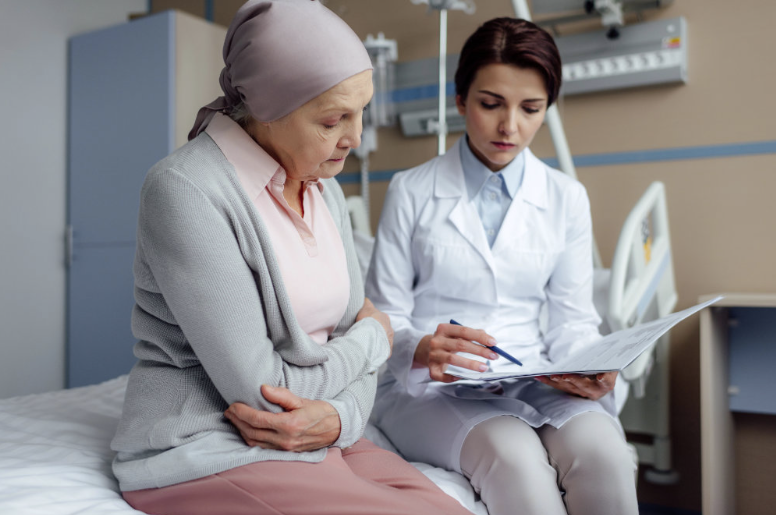
A cancer diagnosis often comes with more questions than answers, and it’s easy to forget what you wanted to ask during your appointment. Writing your questions down beforehand and bringing a family member or friend to take notes can help you feel more prepared. While every diagnosis is different, these are some of the most common questions patients ask during their first few oncology visits:
- What type and stage of cancer do I have?
- Is additional biomarker or genetic testing recommended for my cancer?
- What treatment options are available, and why do you recommend this approach?
- What side effects should I expect, and how can they be managed?
- Should I consider getting a second opinion?
- What happens if my treatment plan needs to change during care?
Open communication is an important part of cancer treatment. Your oncology team should take the time to explain your diagnosis, discuss your options, and help you make informed decisions based on your individual needs and treatment goals.
Receiving Infusion Therapy at Wellness Oncology & Hematology
Infusion therapy days become part of a routine many patients manage well with proper preparation and support. Our center creates a calm, healing environment.
During chemotherapy infusions, immunotherapy infusions, or targeted therapy infusions, experienced oncology nurses provide continuous monitoring of vital signs and comfort. Pre-medications prevent common reactions. Patients can read, use tablets, listen to music, or rest. Family members may also accompany them during parts of the visit.
Safety protocols include double-checks of medications and emergency equipment readily available. Our team coordinates with the pharmacy, lab, and your physician for more seamless care. Many patients value the personal relationships formed with infusion staff who become familiar faces during the treatment course. Hydration, nutrition, and rest before and after appointments help optimize the experience.
Supporting You Beyond Cancer Treatment
Cancer treatment involves far more than medications and procedures. Comprehensive support addresses physical, emotional, nutritional, and practical needs.
Managing side effects such as fatigue, neuropathy, or appetite changes requires individualized strategies. Nutrition counseling helps maintain strength. Emotional support through counseling, support groups, or referrals to mental health professionals is integrated when beneficial.
Survivorship care starts during active treatment. It includes personalized schedules for follow-up visits, recommendations for healthy lifestyle habits, and screening for secondary cancers or long-term effects. Care coordination ensures your primary care physician and other specialists stay informed. We emphasize that healing continues long after the last infusion, and our team remains available as a resource.
Why Cancer Treatment Plans Sometimes Change
Hearing that a treatment plan needs adjustment can be concerning, but changes are often a normal and positive part of responsive cancer care.
Possible reasons include an excellent response allowing for treatment de-escalation, new imaging revealing previously unseen details, intolerable side effects prompting a switch to better-tolerated options, or availability of newly approved therapies. Disease progression, while unwelcome, triggers exploration of next-line treatments or clinical trials.
Throughout any changes, shared decision-making ensures you understand reasons and participate actively. Your oncology team explains alternatives compassionately and helps weigh pros and cons. This adaptability reflects the dynamic nature of cancer and the commitment to finding what works best for you at each stage.
Some patients face more complex scenarios such as recurrent cancer after remission, rare tumor types with fewer established guidelines, cancer of unknown primary where the origin is unclear, or cancers that prove resistant to initial therapies.
In these cases, second opinions from other cancer specialists, deeper genomic sequencing, or consideration of clinical trials become valuable. Our team adapts by drawing on broad experience and staying connected with academic centers when appropriate. Individualized care means never giving up on exploring options that align with your goals and values, even when the path deviates from standard protocols.
Why Patients Choose Wellness Oncology & Hematology
Patients and families choose Wellness Oncology & Hematology for several compelling reasons. Our personalized treatment plans are developed collaboratively with input from experienced oncologists who bring years of expertise. Strong hematology oncology capabilities allow seamless care for blood cancers. Comprehensive services include on-site infusion, care coordination across specialties, and a patient-first philosophy that prioritizes clear communication.
We build lasting relationships rather than transactional visits. The convenience of receiving advanced cancer treatment in a supportive environment close to home appeals to many. Our team’s commitment to staying current with research while maintaining compassionate delivery sets us apart. Patients consistently report feeling heard, informed, and supported.
Explore Our Cancer Treatment Services. Schedule an Oncology Consultation.
Wellness Oncology & Hematology offers specialized expertise in lung cancer, colon cancer, breast cancer, prostate cancer, multiple myeloma, MGUS, general hematology services, infusion therapy, chemotherapy management, and immunotherapy. Each dedicated page provides in-depth information, resources, and details about our approach. We invite you to explore these resources to better understand how we can support your specific needs.
If you’ve recently received a cancer diagnosis, abnormal biopsy, or have been referred to an oncologist, our team is here to help you understand your options and develop a personalized treatment plan.
Contact Wellness Oncology & Hematology today to schedule your appointment at our West Hills and Tarzana offices. We look forward to supporting you and your family.
Frequently Asked Questions
What does an oncologist do?
An oncologist specializes in diagnosing cancer, developing treatment plans, monitoring response, managing side effects, and providing long-term follow-up care as part of a multidisciplinary team.
When should I see an oncologist?
See an oncologist after a new diagnosis, suspicious biopsy or imaging, cancer recurrence, abnormal blood results, or when seeking a second opinion on cancer treatment.
What happens during my first oncology appointment?
Records and imaging are reviewed, medical history discussed, additional tests may be ordered, and treatment options explained. Treatment rarely begins the same day.
How is a cancer treatment plan developed?
Plans integrate cancer type, stage, biomarker results, genetic testing, your health status, and personal goals through collaboration between you and the oncology team.
What is the difference between chemotherapy, immunotherapy, and targeted therapy?
Chemotherapy attacks rapidly dividing cells broadly. Immunotherapy activates the immune system against cancer. Targeted therapy blocks specific molecular drivers identified by testing.
Does every cancer patient need chemotherapy?
No. Many patients are treated successfully with surgery, radiation, immunotherapy, targeted therapy, hormone therapy, or active surveillance alone or in combination.
What types of cancer do you treat?
We provide expert care for lung, colon, breast, prostate, multiple myeloma, MGUS, and many other solid tumors and blood cancers.
Can I receive infusion therapy at your office?
Yes, our comfortable infusion center delivers various therapies with experienced staff and personalized monitoring.
How long does cancer treatment usually last?
Durations vary widely from weeks to many months for active phases, followed by years of follow-up monitoring tailored to your situation.
What is targeted therapy, and who is eligible?
Targeted therapy attacks specific cancer cell features. Eligibility is determined through biomarker and genetic testing of the tumor.
What is the difference between MGUS and Multiple Myeloma?
MGUS is usually asymptomatic and monitored. Multiple myeloma causes symptoms and requires active treatment to control the disease.
Should I get a second opinion after a cancer diagnosis?
Yes, many patients benefit from confirming the diagnosis and exploring options with another experienced cancer specialist.
How are treatment side effects managed?
Through proactive medications, dose adjustments, supportive care, nutrition, and close communication with your oncology team.
What happens after cancer treatment ends?
Transition to survivorship care with scheduled monitoring, health maintenance, and support for any long-term effects.
How do I schedule an oncology consultation?
Contact our office by phone or online to arrange an appointment for evaluation and discussion of your individual needs.
Important Medical Disclaimer
This article is provided for general informational and educational purposes only. It is not intended to be a substitute for professional medical advice, diagnosis, or treatment.
Every cancer diagnosis is unique. Treatment plans, testing recommendations, and timelines vary significantly based on cancer type, stage, molecular features, overall health, and personal circumstances.
If you have received a cancer diagnosis or are concerned about symptoms, please consult with your physician or a board-certified oncologist promptly. Do not delay seeking professional medical care based on information from this or any website.
The content on this site is written and reviewed by oncology professionals at Wellness Oncology & Hematology, but your specific situation may differ. Always follow the personalized guidance of your healthcare team.
Schedule a Consultation
If you or a loved one has been newly diagnosed, or you are looking for a cancer care team closer to home, our West Hills and Tarzana offices are welcoming new patients. Contact us to schedule a consultation.